
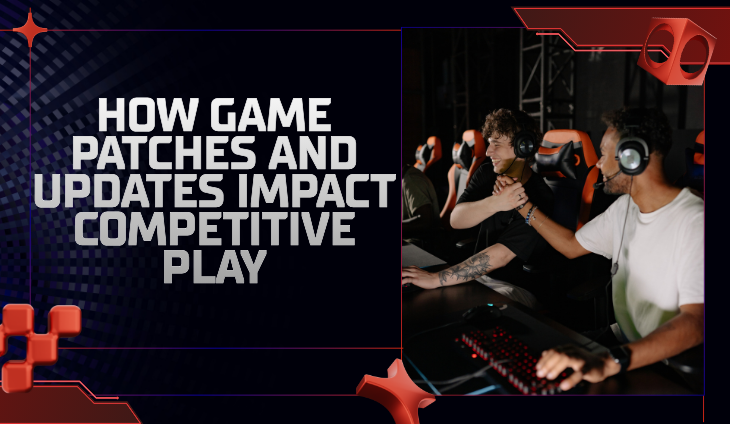
Game patches and updates are common in modern online games. Developers release updates to fix bugs, improve balance, and add new content. While these changes help keep games fresh and exciting, they can also have a big impact on competitive play.
One major effect of updates is game balance. Developers often adjust the power of characters, weapons, or abilities. If something is too strong, it may be weakened. If something is too weak, it may be improved. These balance changes are important because they help create fair competition. However, they can also change the strategies that players use.
Professional players and teams must quickly adapt to new updates. A strategy that worked well before a patch may no longer be effective. Players need to study the changes, test new tactics, and practice different approaches. Teams that adapt faster often gain an advantage in tournaments.
Updates can also introduce new characters, maps, or game features. These additions can create new possibilities in competitive matches. Players may discover creative strategies that were not possible before. At the same time, learning new mechanics can be challenging, especially during major competitions.
Another impact of patches is the shift in the “meta.” The meta refers to the most effective strategies or character choices in a game. When developers change certain elements, the meta can change as well. Players must stay informed and adjust their play style to remain competitive.
While updates can be exciting, frequent changes may also cause frustration. Some players prefer stability because it allows them to master specific strategies over time. Sudden changes may require them to relearn parts of the game.
In conclusion, game patches and updates play a major role in competitive gaming. They keep games balanced and interesting, but they also challenge players to adapt, learn, and improve continuously.


