
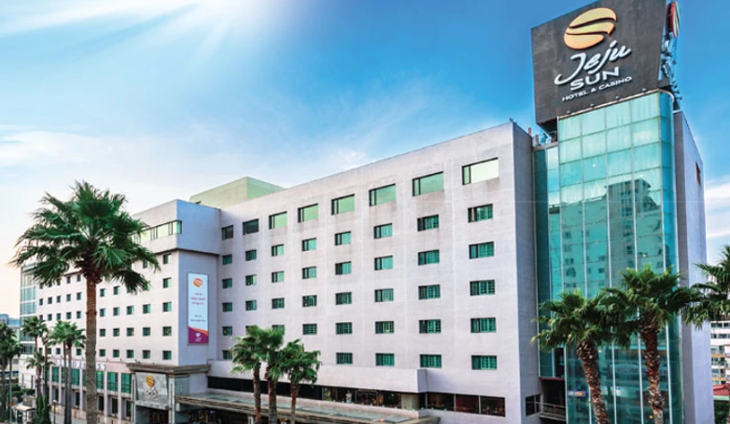
CSA Cosmic, a Seoul-based firm listed on the KOSDAQ, is set to become the largest shareholder in Blue One Casino on Jeju Island, with plans to attract more VIP visitors through high-end services that blend beauty and leisure.
The company, which produces both cosmetics and construction materials, will invest KRW3.5 billion ($2.36 million) into the casino, formerly known as Jeju Sun under its previous owner, Bloomberry Resorts Corp.. The property officially reopened under its new branding on March 16.
Of the total investment, KRW1.3 billion will be allocated to convertible bonds, while KRW2.2 billion will be provided as loans. These loans are expected to be converted into equity through a debt-to-equity swap, positioning CSA Cosmic as the majority stakeholder. Plans are also underway to separate the hotel and casino operations into distinct entities, with CSA acquiring control of the casino business.
According to CSA Cosmic, the move goes beyond simple expansion, aiming instead to establish a long-term growth platform that integrates beauty and leisure industries. The company also emphasized its commitment to boosting shareholder value by leveraging synergies from its ongoing rebranding efforts and new business ventures.
As reported by Chosun Biz, CSA Cosmic intends to launch guest packages that combine “K-beauty content” with “premium VIP tourism services,” targeting international clientele.
Can Blue One succeed where Bloomberry failed?
Earlier this month, KH Holdings, the parent firm of Blue One Casino, acquired the former Jeju Sun property from Bloomberry Resorts Corp.. The deal was valued at KRW7 billion, with an additional KRW3 billion scheduled for payment in February 2027. The transaction signaled Bloomberry’s exit from the South Korea casino sector, although it will continue leasing the gaming facilities while operating the hotel and food-and-beverage services.
Bloomberry originally purchased Jeju Sun—then known as THE Hotel Vegas—in 2015. Its chairman and CEO, Enrique Razon, later acknowledged that the acquisition was a misstep, citing South Korea’s strict regulations that prohibit most locals from gambling.
In fact, only one casino in the country, Kangwon Land located in Gangwon Province, allows South Korean citizens to play. As Razon explained in 2020, without local participation, it is difficult to build a truly large-scale resort. He noted that such properties tend to remain limited in scope—more like niche operations—with constrained potential for long-term growth.
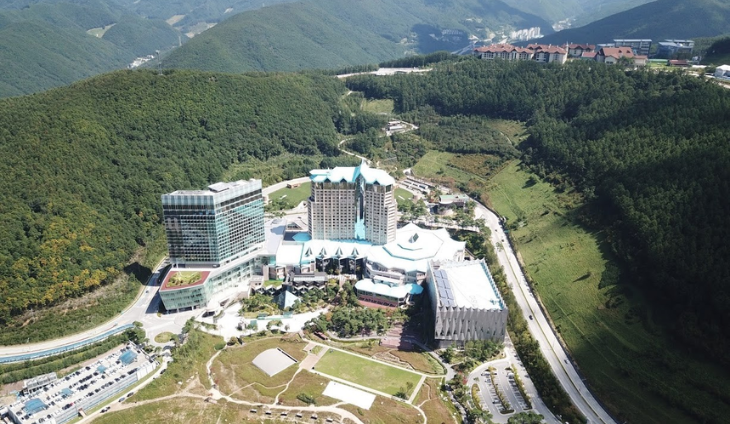
The former Jeju Sun reported gross gaming revenue of PHP6.2 million in the first half of 2025, marking a decline of PHP45.1 million compared to the same period in 2024. Meanwhile, its hotel and food-and-beverage operations generated PHP183.3 million in revenue during the same period, reflecting a modest 1.1% increase.
Looking ahead, KH Holdings aims to improve performance by adapting to evolving tourism trends. The company noted a shift in visitor spending habits—from traditional shopping-focused trips to those centered on experiences and entertainment. In response, Blue One Casino plans to promote a “stay-oriented tourism” model, encouraging international guests to extend their visits and spend more per capita.
To support this strategy, the casino will prioritize table games, targeting sustained revenue growth and improved profitability within the premium market segment.


