
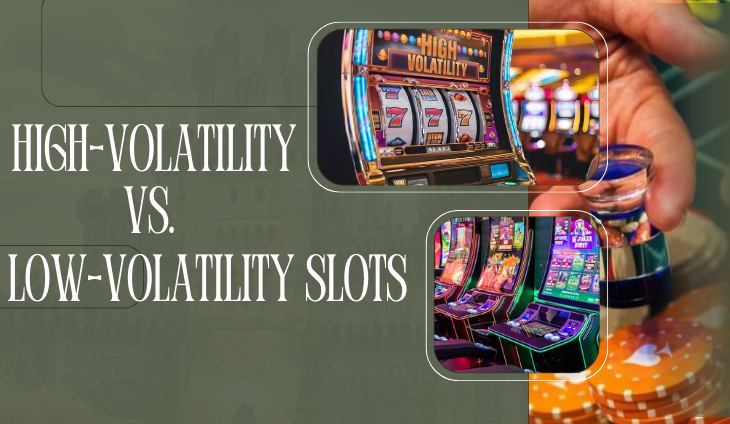
Slot games come in many styles, and one important feature is volatility. Volatility shows how often a slot pays out and how big the wins can be. Understanding high-volatility and low-volatility slots can help you choose the right game for your playing style.
Low-volatility slots pay small wins more often. These games are good for players who enjoy steady action and longer playtime. You may not win large amounts, but you are more likely to see frequent payouts. Low-volatility slots are popular with beginners and casual players because they help keep your balance stable.
High-volatility slots work differently. These games pay less often, but when they do, the wins can be much bigger. You might go many spins without winning, but one lucky spin can bring a large reward. High-volatility slots are better for players who enjoy risk and excitement and are willing to wait for big wins.
Your budget also matters. If you have a small bankroll and want to play longer, low-volatility slots are usually the better choice. If you have a larger budget and enjoy chasing big prizes, high-volatility slots may feel more exciting.
Your mood and goals should guide your choice. Some players like relaxed gameplay with regular wins. Others prefer high-energy games with the chance of hitting a big jackpot.
It is also helpful to try demo versions of slots before playing with real money. This lets you feel how often a game pays and how it fits your style.
In conclusion, there is no “best” type of slot for everyone. Low-volatility slots offer steady wins and longer sessions, while high-volatility slots offer bigger prizes with more risk. Choose the one that matches your budget, goals, and comfort level to enjoy a better gaming experience.


